January is Alzheimer’s Awareness Month, which is led by the Alzheimer Association of Canada to increase focus on education, the reduction of stigma, and the support of people living with dementia.
For this article, I would like to focus on the museum field – a place where I spend a great deal of time and research, and a place where all of us in the field have a unique opportunity to make a real impact on the daily lives of people living with dementia, as well as the perceptions held by our participants, their families, and the public at large.
Museums and Galleries Are Unique
The Canadian Index of Wellbeing National Report (University of Waterloo, 2016) states that “time spent in leisure and culture is often when our lives are most fulfilling, when we can really be ourselves with friends, family, and people in the community.” Galleries and museums are places where rich cultural collections and stories connect us to our world, help us find meaning, and take us out of the everyday. And they can do this no matter our subject knowledge, abilities, or personal circumstances.
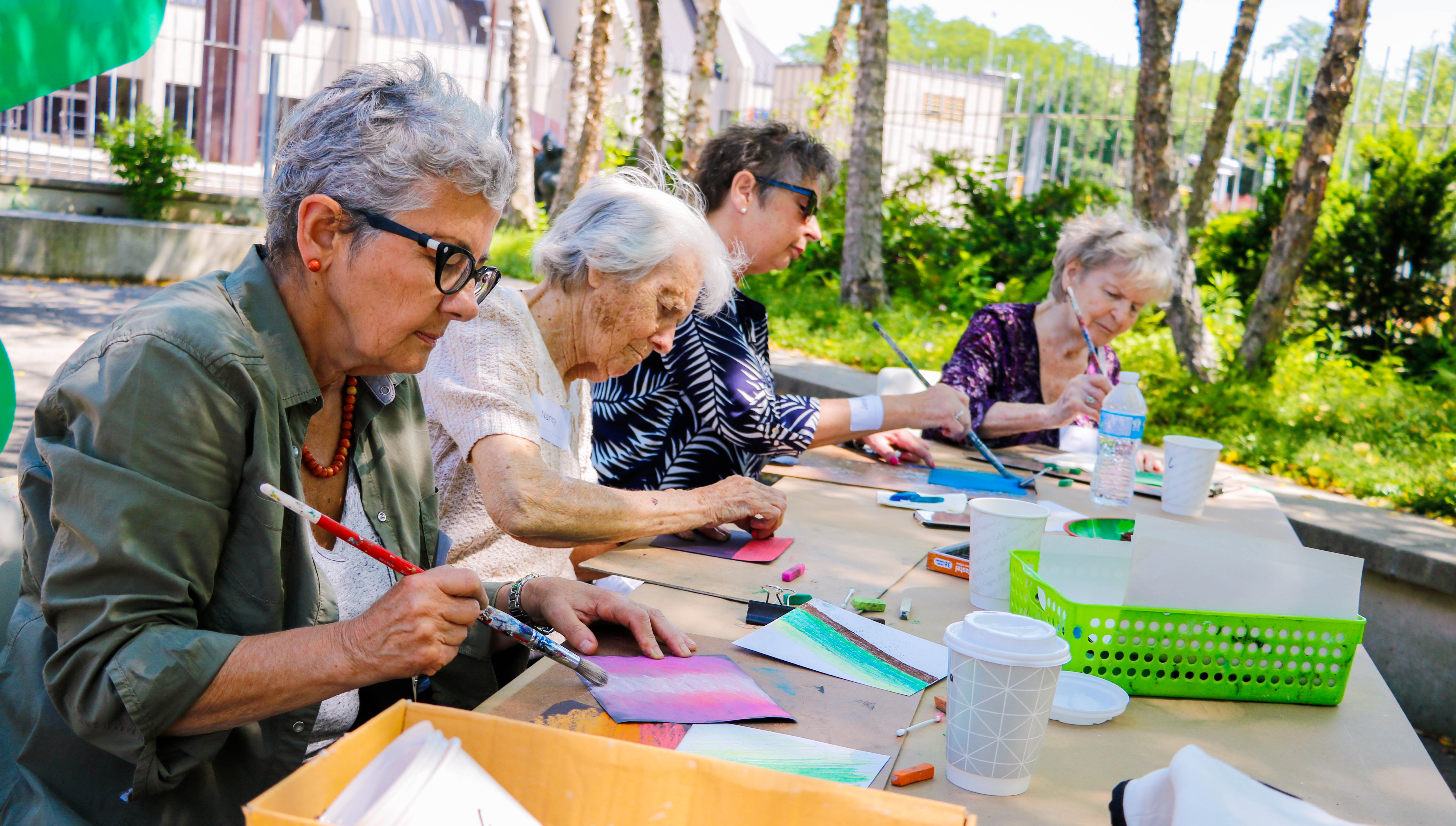
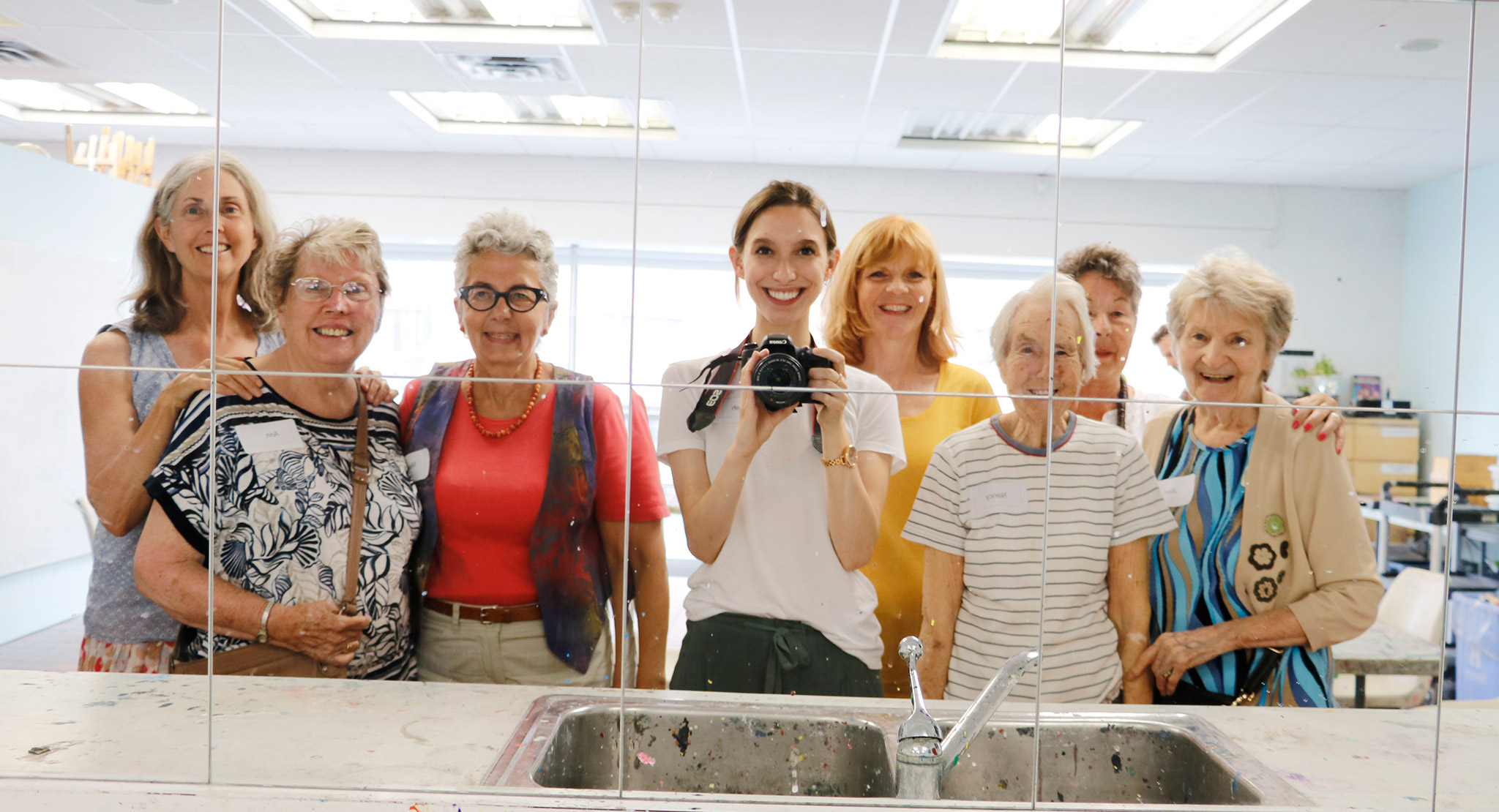
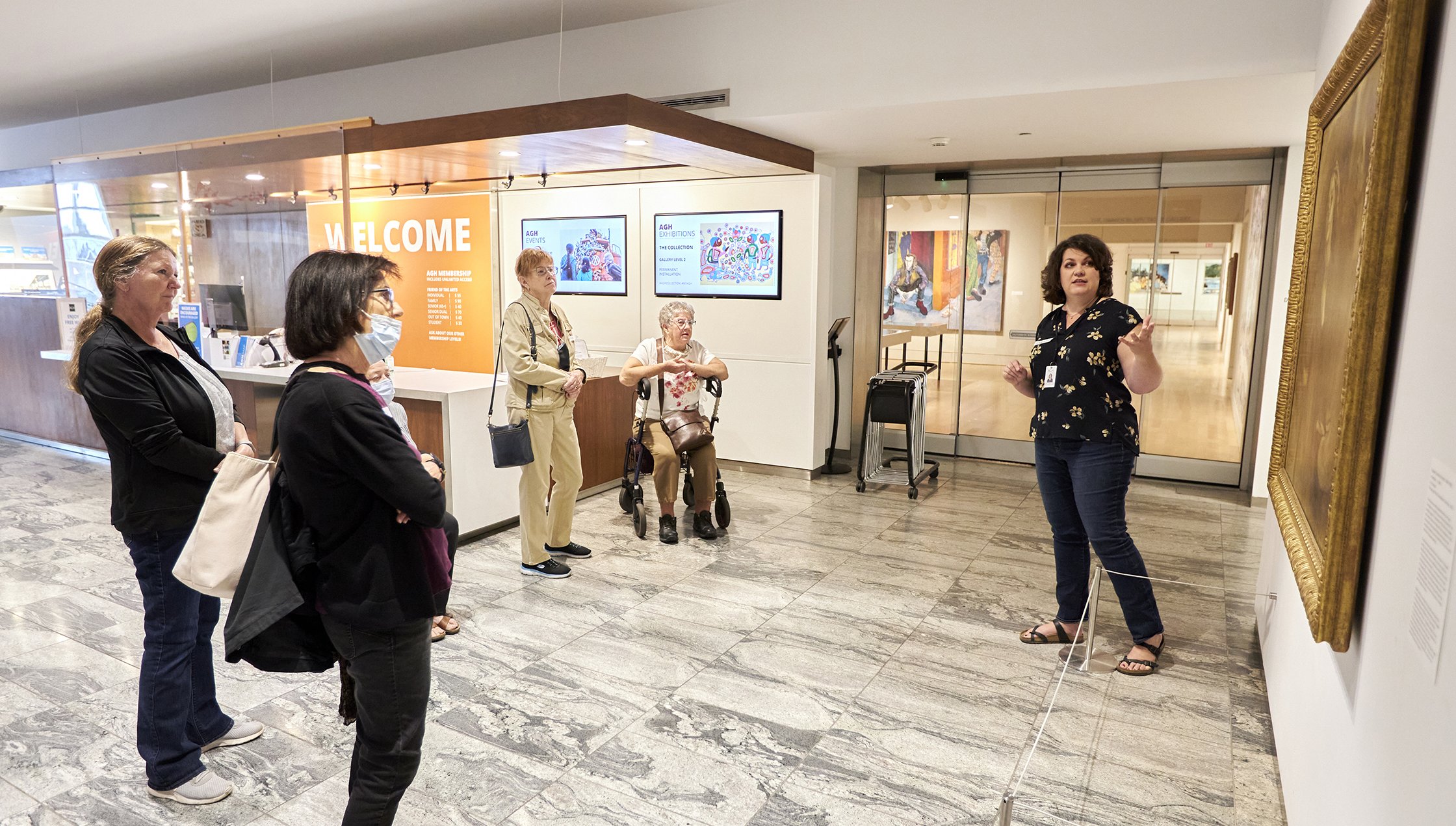
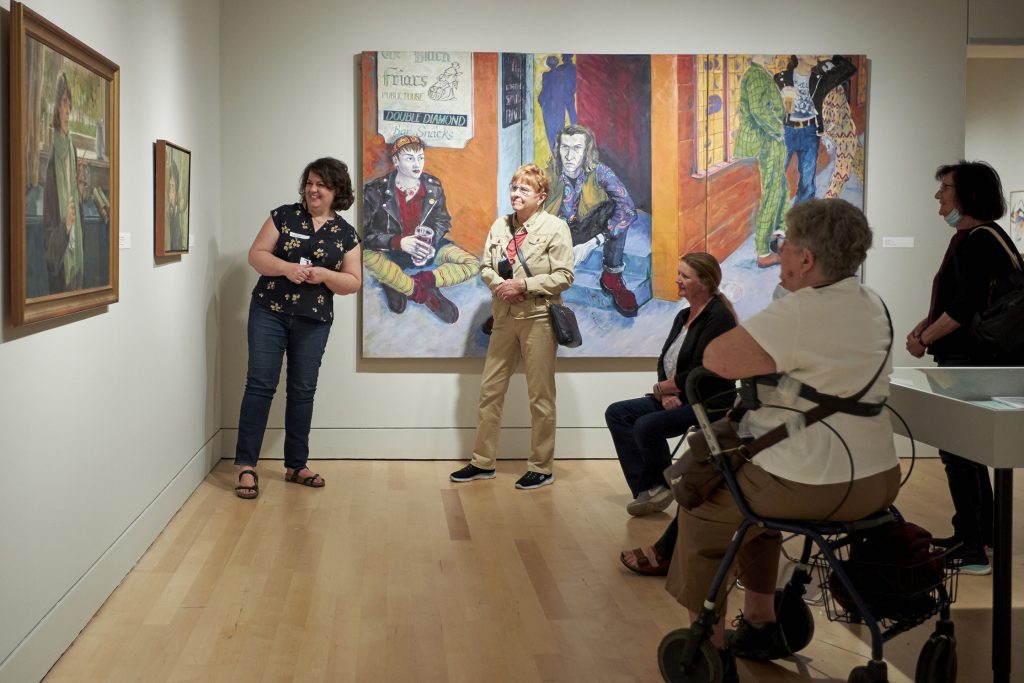
As non-medical settings, museums offer unique, community-based opportunities for self-expression, sharing, and connection prompted by museum collections and hands-on experiences. They also offer opportunities to demonstrate strengths and abilities, and to contribute and succeed in a variety of activities (Cotter & Pawelski, 2021).
Specifically for people with dementia, museums provide a unique setting for meaningful participation and the validation of identity and self-worth, whether as program participants, independent visitors, or as contributors through program facilitation, co-creation, or advisory roles. Through well-designed museum experiences, people living with dementia may pursue their individual interests, share knowledge and ideas, and participate in stimulating dialogue as equal participants.
Not Enough Opportunities
Conversely, isolation caused by stigma, fear, or lack of access can be a huge barrier for people living with dementia to live fully with dignity and respect. Isolation profoundly affects the well-being of people and can change the way they feel about themselves and how others see them – leading to loneliness, a loss of social connections, access to community experiences, and opportunities to participate or contribute.
In a 2021 survey by the Hamilton Council on Aging, only 20 percent of respondents felt that people living with dementia feel they are a valuable part of the community, and 47 percent felt there were no opportunities for people living with dementia to engage in community activities in the region. While specialized programs exist in many museums and galleries, there simply aren’t enough.
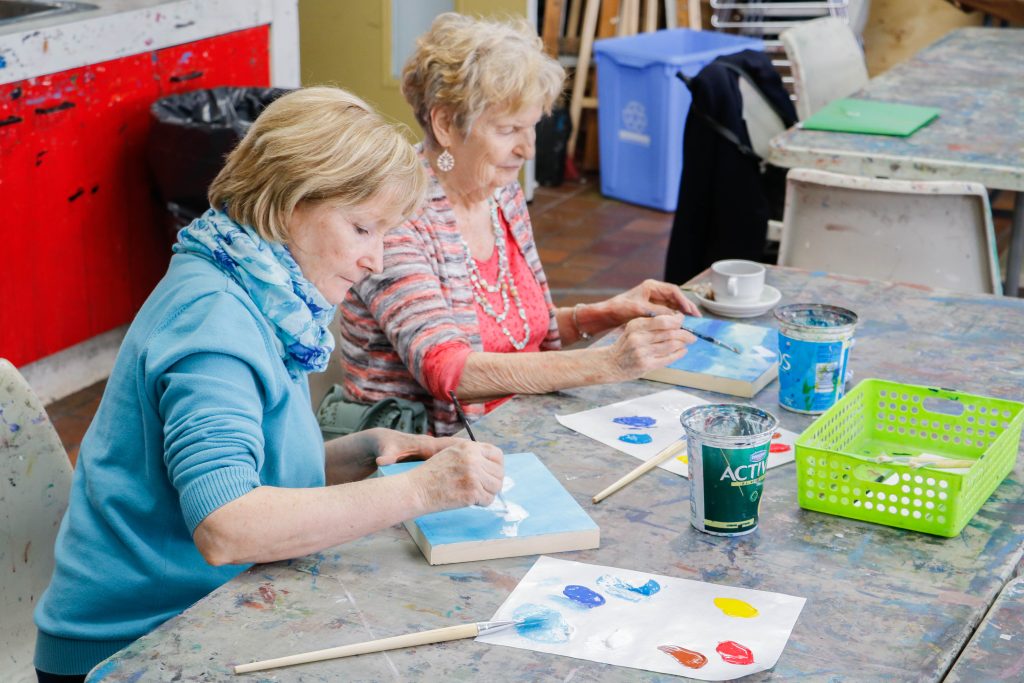
Museums Fight Stigma and Isolation
When people feel understood, supported, and included, they participate in their community. Seeing them as active participants in museum programs or as regular visitors can change their own sense of their abilities and themselves, as well as the perception that others have of them.
When full community access is prioritized, participants see themselves and their loved ones as vital members of the community. They see themselves and each other contributing and succeeding. Other visitors see the same.
But this requires change – eliminating barriers, improving awareness and belief in access, and focusing on the people first, not just the art.
A Museum’s Call to Action
In 2022, the Art Gallery of Hamilton conducted a survey of museums across Canada and their readiness to offer programs for people living with dementia. We asked about the presence of specialized programs in each organization, and about the comfort and knowledge or experience of staff to present these programs.
For those already working with people living with dementia, we asked about successes and challenges, and for those who were not, we asked more about what barriers they experienced and what support was needed. When asked about working with people living with dementia, 79 percent of respondents felt that there was an audience in their community that would benefit from this sort of program, though most have not been able to offer such programming for a variety of reasons. In addition, 60 percent embrace the idea of offering programs for people living with dementia, though nearly half were uncertain how.
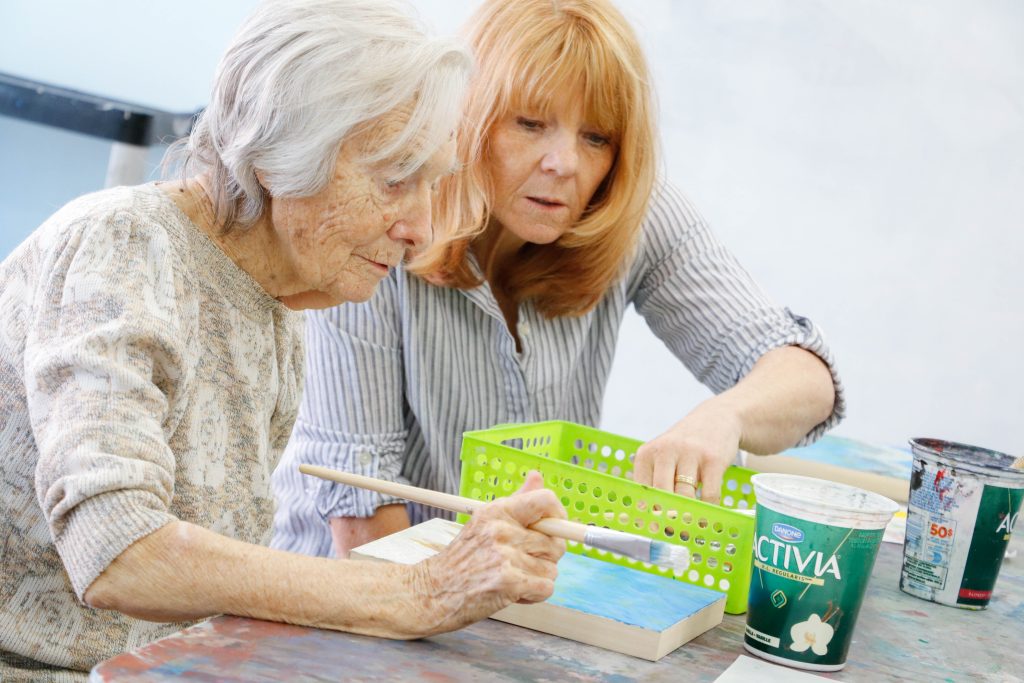
As museums that hold a vast range of collections and offer an even more diverse selection of programs, we can make a difference in many ways, and support is available to do so.
- Dementia Friendly initiatives – special-access days that offer reduced sensory load and added support can make a museum more welcoming to new visitors.
- Specialized programming – providing support that focuses on strengths and social connections provides meaningful engagement for participants, families, and friends.
- Reconsidering signage, print materials, and accessible resources will support independent visitors and make visits more comfortable.
- Providing training – especially for front-line and programming staff – will allow for improved communication, awareness, and support, while addressing stigma and bias.
When support is needed, other museums and organizations in the community can provide guidance and assistance on the journey, but also remember the importance of consultation and co-creation with people who have lived experience. A wealth of opportunities and resources are out there, and I encourage museums to take the next steps.